The first useful thing a coastline does is separate what can be reached from what can only be imagined. Games borrow that simple fact constantly, but their strongest spaces keep the invitation intact.
Orientation before spectacle
When an environment offers a recognisable edge, a distant landmark and a route that bends rather than vanishes, exploration becomes a choice instead of a search problem. The player can make a plan, change it and still feel that the world was listening.
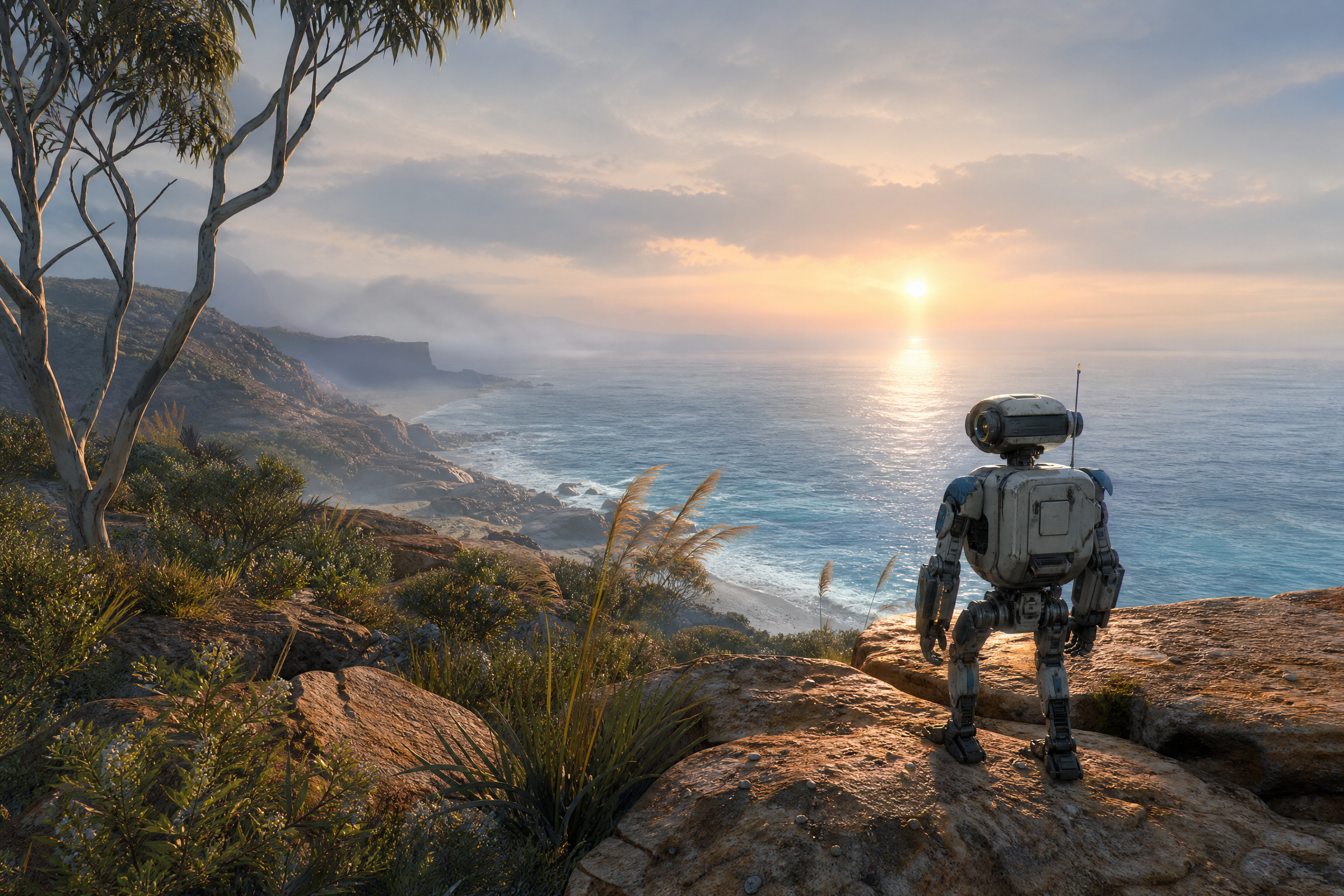
That is why quiet natural forms work so well in digital spaces. Rock shelves, wind-tossed grass and a low horizon each communicate a different scale of movement without placing an instruction over the screen.
Make the return trip matter
Good terrain lets the return path reinterpret the outward journey. A landmark seen from a new angle can become a record of effort; a narrow track can reveal a shortcut once the player understands its shape. These are small structural gestures, but they give a place memory.
The review question is not whether the world is large. It is whether the world creates enough useful differences that the player wants to look again.